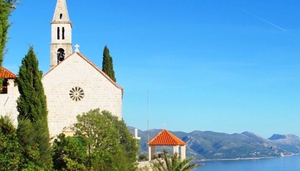
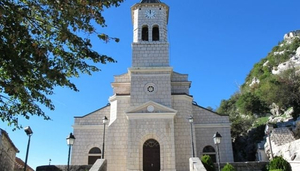
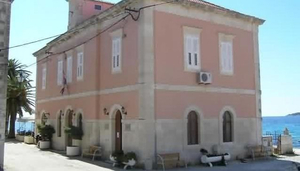
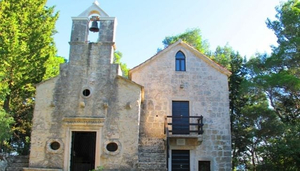
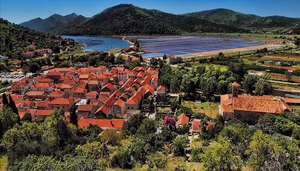
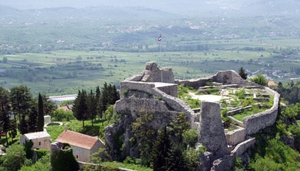
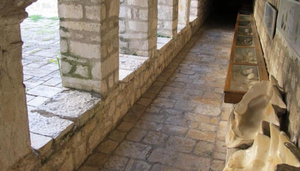
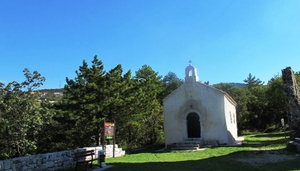
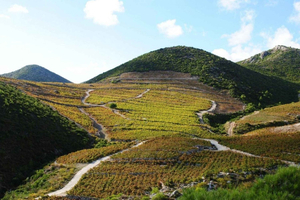
Croatia boasts a rich and diverse cultural heritage shaped by its tumultuous history and geographical position at the crossroads of Central and Southeast Europe. The blending of various influences, including Roman, Byzantine, Venetian, and Ottoman, has created a unique tapestry of traditions, languages, and customs that define Croatian culture today. Visitors to Croatia can explore a vibrant tapestry of historical monuments, including ancient Roman ruins in Pula, UNESCO-listed medieval architecture in Dubrovnik, and charming medieval towns like Trogir and Rovinj.
The essence of Croatian culture is also found in its music, dance, and folklore. Traditional Croatian music varies by region, with klapa singing and tamburitza ensembles preserving the country’s folk heritage. Each summer, local festivals come alive with performances showcasing traditional instruments, vibrant costumes, and regional dances that resonate with the rhythm of the Mediterranean spirit. The culinary landscape of Croatia further enhances its cultural richness, offering a delightful blend of Mediterranean and Central European influences. Regional dishes often feature fresh seafood, truffles, and locally produced olive oil, providing a true taste of the country’s culinary diversity.
Moreover, Croatia has a prestigious history of literature and the arts, producing notable figures such as the poet Ivan Gundulić and contemporary writers like Dubravka Ugrešić. The country is home to numerous galleries and theaters, particularly in cities like Zagreb and Split, where the creative spirit thrives. Festivals celebrating literature, art, and music punctuate the calendar year, drawing both locals and tourists alike. In essence, Croatia's culture is a celebration of its past and present, inviting everyone to engage with its rich heritage and vibrant contemporary expressions.
If you're booking your trip to Croatia last minute, we have you covered. Below are some of the top tours and experiences.
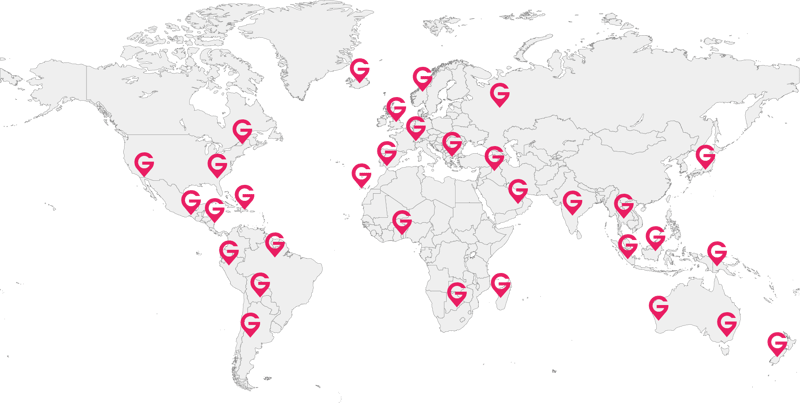
My Guide Croatia is part of the global My Guide Network of Online & Mobile travel guides. We are now in 180+ Destinations and Growing.
Add your travel dates so we can place this on the right day, or save it for later.