Brijuni National Park
Croatia
At a glance
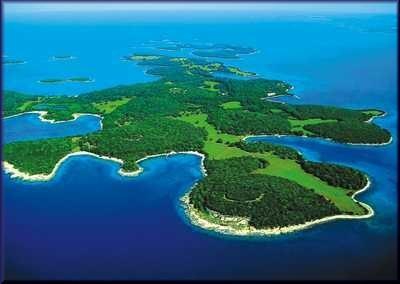
Brijuni National Park is a Croatia national park listed among things to do and cultural places. Its defining character comes from the combination of a protected natural setting and cultural interest, making it relevant to visitors who want more than a standard urban attraction.
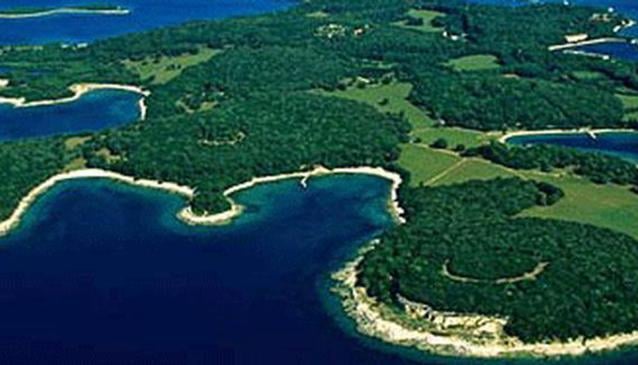
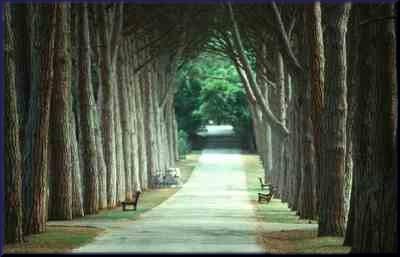
As a national park, Brijuni is associated with the appreciation and protection of nature. The designation gives the place a clear outdoor identity, with the landscape forming the central part of the experience. Visitors interested in natural environments can consider the park for time spent in a setting shaped by conservation rather than by ordinary city development.
The cultural classification adds another dimension. Brijuni National Park is not presented solely as a nature destination, but also as a place connected with culture. That combination makes the park suitable for visitors who prefer destinations where outdoor surroundings and cultural interest can be considered together.
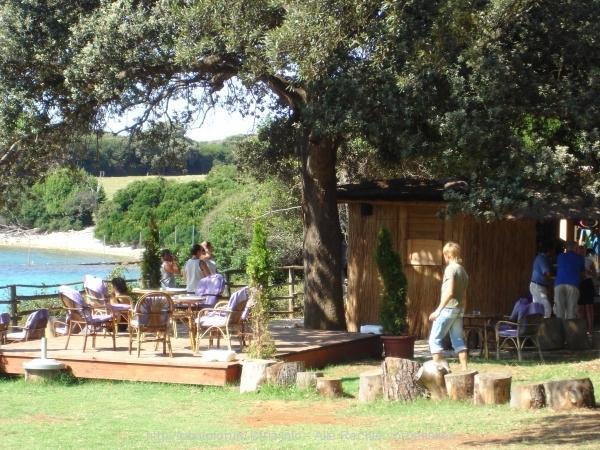
The park suits several styles of visit without needing to be defined by a single activity. Nature-focused visitors can approach it as a national park, while culture-minded visitors can include it in a wider exploration of Croatia. It can also appeal to visitors looking for a destination with a distinct sense of place rather than a conventional leisure venue.
Brijuni National Park is best understood as a broad destination category rather than a specific restaurant, gallery or entertainment facility. The setting, national park status and cultural character are the main reasons for including it in a Croatia travel itinerary. Those qualities provide a simple basis for planning a visit around outdoor surroundings and cultural discovery.
Its appeal is likely to be strongest for visitors who value protected landscapes, cultural context and unhurried exploration. The park can form part of a day devoted to nature, a cultural itinerary or a broader selection of things to do in Croatia. The experience is shaped by the place itself, with the national park setting providing the foundation and the cultural classification adding depth.